


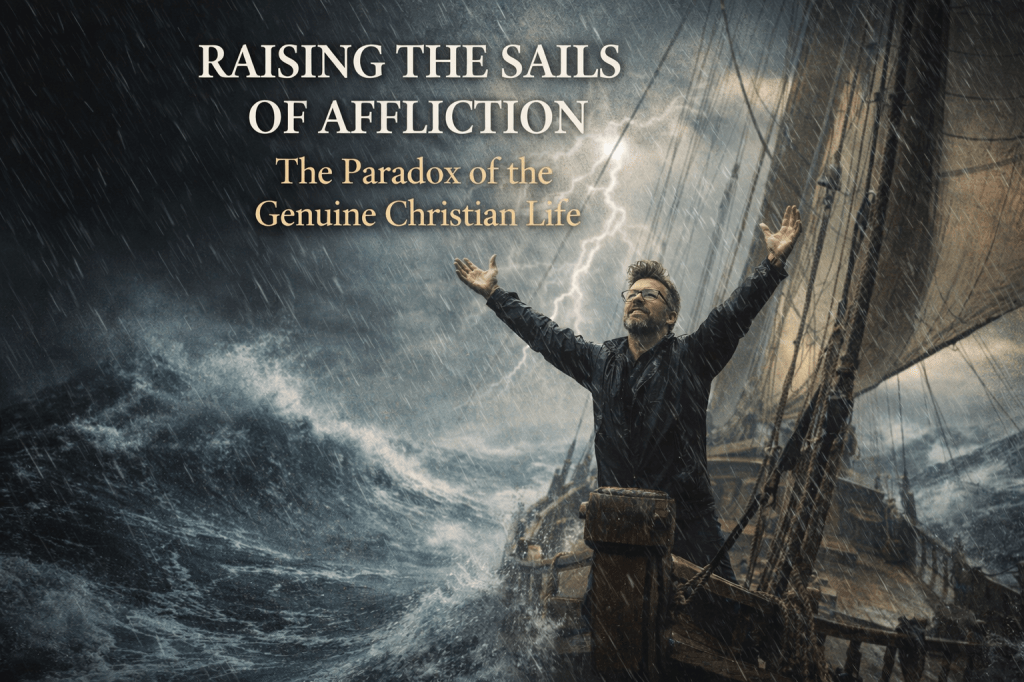
The Paradox of the Genuine Christian Life
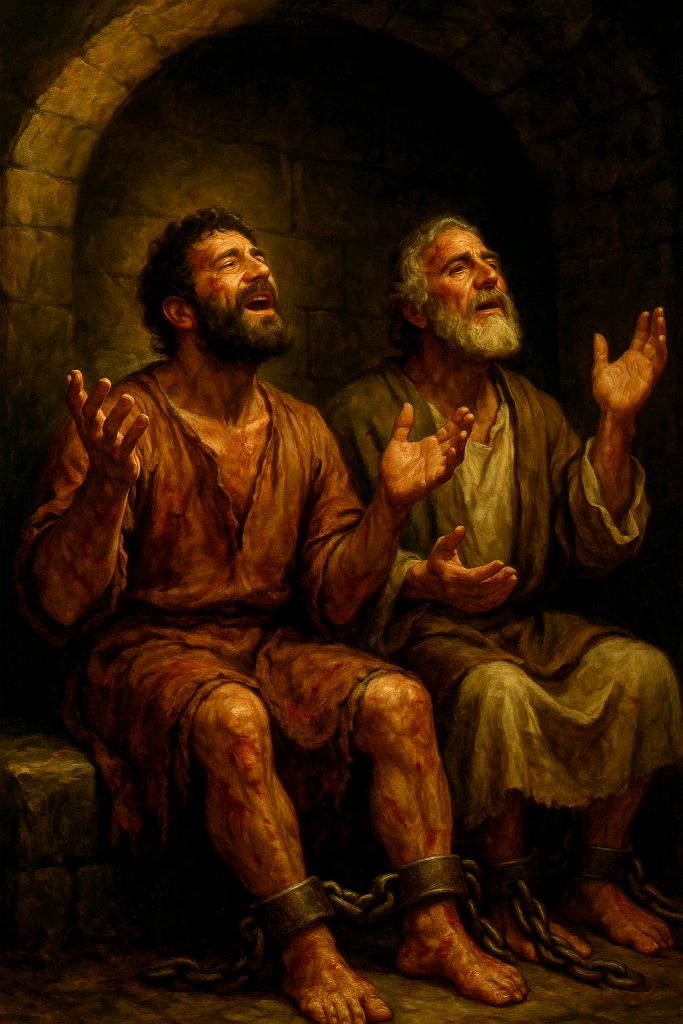
Raising the sails of affliction. The paradox of the genuine Christian life. Men and women who become entangled in the affairs of this world, who allow the headlines of the day or their present circumstances to draw their eyes away from the Lord, are those who lower their sails rather than power them when the winds of affliction begin to blow.
The storm is not the problem. The issue is where the eyes are fixed. When the eyes are fixed on the storm, fear rises. When fear rises, faith recedes. And when faith recedes, the sails come down. Look at the storm and you will sink. Look to Jesus and you will rise, carried by the wind above the waves. The same wind that terrifies one man will carry another. The difference is not the storm. It is the direction of the gaze and whether the sails are raised.
𝗧𝗛𝗘 𝗗𝗢𝗟𝗗𝗥𝗨𝗠𝗦 𝗢𝗙 𝗧𝗛𝗘 𝗦𝗢𝗨𝗟
Racing across the sea with the wind in your face, hurtling toward home, or finding yourself stalled and drifting in the spiritual doldrums of life. Brothers and sisters, the doldrums is a real place. It lies between five degrees north and five degrees south of the equator, shifting slightly throughout the year.
It stretches across the great oceans of the world, the Atlantic, the Pacific, and the Indian. Sailors of old, when sails were king, dreaded being trapped there. It was a place of weak or absent wind, of oppressive heat and heavy air, of sudden and violent storms that rose without warning. To be caught there was to make no forward progress. Supplies would dwindle. Water would run dry. The danger was real, not to perish in a raging storm, but to languish in a place where you are stuck, where you cannot move forward, and where the unseen currents of this world begin to drag you backward, and you do not even notice.
𝗦𝗧𝗨𝗖𝗞 𝗕𝗘𝗧𝗪𝗘𝗘𝗡 𝗦𝗧𝗢𝗥𝗠 𝗔𝗡𝗗 𝗦𝗧𝗜𝗟𝗟𝗡𝗘𝗦𝗦
Brothers and sisters, do you find yourself caught in the headlines of today. Do the circumstances of your life dominate your horizon. Either way, whether overwhelmed by storm or suffocated by inertia, the result is the same. The soul begins to sink into the morass of this world. Progress slows. Vision fades. Growth stalls. A life once moving toward the Lord becomes weighed down by what is seen, rather than lifted by what is unseen.
𝗟𝗜𝗙𝗧 𝗬𝗢𝗨𝗥 𝗘𝗬𝗘𝗦
Lift your eyes. For it is in Him, and Him alone, that we live and move and have our being. He alone is the answer to the storm. He alone is the answer to being stuck. There is no circumstance, no headline, no moment that exists outside of His authority. When the eyes are lifted, the soul is steadied. When the gaze returns to Him, direction returns, strength returns, life returns. The alternative is that headlines or the circumstances which you find yourself in dominate your life. Rather than taking your thoughts captive you are taken captive by them.
𝗧𝗛𝗘 𝗣𝗔𝗥𝗔𝗗𝗢𝗫 𝗢𝗙 𝗧𝗛𝗘 𝗦𝗧𝗢𝗥𝗠
Here is the paradox. We are called to raise our sails in the very teeth of the storm. Not to fight it, not to resist it in our own strength, but to yield to the wind of the Spirit. The storm that appears to threaten destruction becomes the very means by which we are carried forward. What seems contrary becomes the pathway. What appears dangerous becomes the vehicle of progress.
𝗥𝗜𝗗𝗘 𝗧𝗛𝗘 𝗪𝗜𝗡𝗗
Fight the storm and you will perish. Ride upon it, carried by His power, and you will not only live, you will live abundantly. The winds of affliction, when met with faith, do not destroy. They drive us forward. They press us onward. They hasten our journey. And so with the wind in your face and your sails lifted high, you are not drifting, you are not stalled, you are not overcome. You are being carried, steadily and powerfully, ever closer toward home.


 A Call To The Remnant