


Philip Yancey- Cautionary Tale
Posted by appolus on January 10, 2026
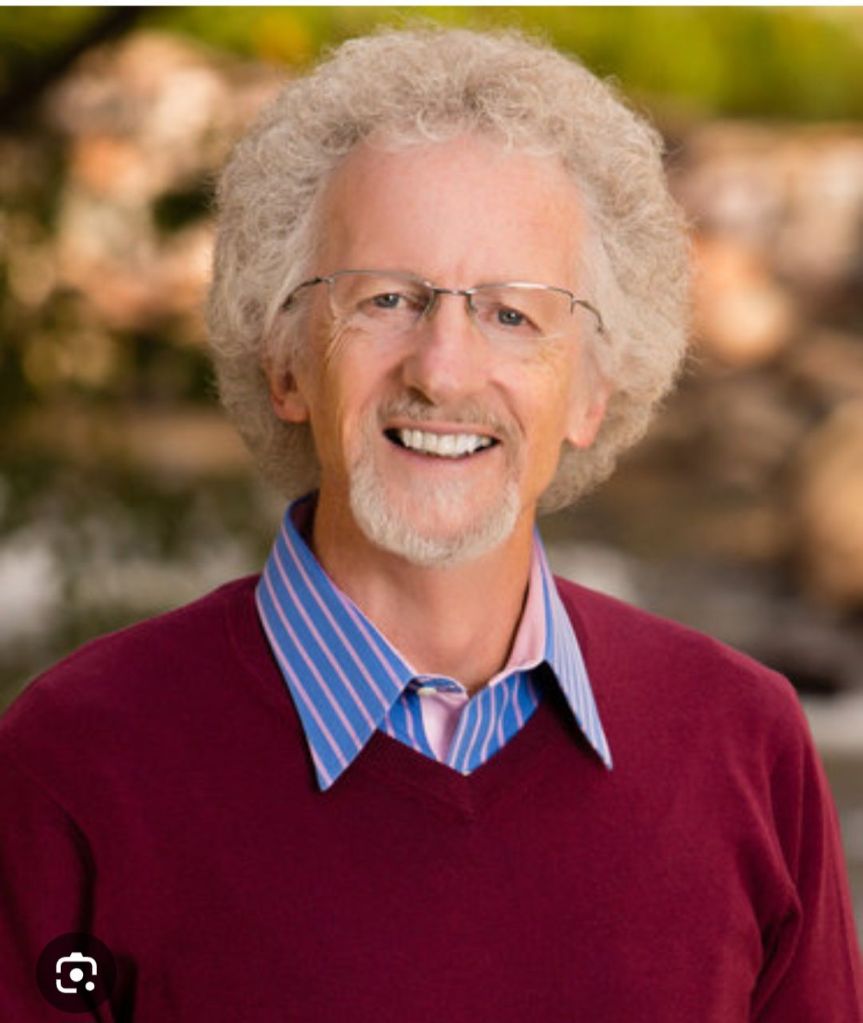
Phillip Yancey ……..
I am less interested in his fall than I am in the response. Many who have read anything I have written over the years will note, much of it has been on grace, and of course, Phillip had much to write on that subject. This is my response to much of what I hear, and much of what I hear plays into “cheap grace,” and it’s multiple shades.
Grace That Saves vs. Grace That Reigns: A Cautionary Reflection
The issue before us is not whether sin is real, nor whether grace is necessary. Scripture is clear on both. The question is what kind of grace we are talking about, and what kind of Christianity it ultimately produces.
In recent years, public moral failures among respected Christian figures have often been framed almost exclusively as inevitable expressions of “shared human brokenness.” While this language sounds humble, it subtly shifts sin from a moral failing into some kind of inevitable human failing. In doing so, it does not merely acknowledge weakness, it lowers the expectation of transformation for the redeemed.
Scripture never denies that believers can sin. But it emphatically denies that sin remains our identity, our default, or our governing power.
“How shall we who died to sin still live in it?” (Romans 6:2)
When Christian theology repeatedly insists that believers are always on the brink of collapse, always fundamentally the same as before conversion, it may sound realistic, but it is not apostolic. It is Romans 7 isolated from Romans 6, and Romans 7 elevated over Romans 8. It treats ongoing struggle as the final word, rather than the cross, the resurrection, and the indwelling Spirit.
The familiar phrase “we are just sinners saved by grace” is often offered as a summary of humility, yet it is theologically inncorrect. Scripture does not primarily identify believers as sinners with an added provision. It calls them saints, new creations, those freed from sin, those led by the Spirit, those no longer under condemnation.
Grace in the New Testament is not merely pardon after failure. It is power for obedience. It is the power to overcome.
“For the grace of God has appeared… training us to renounce ungodliness and worldly passions.” (Titus 2:11–12)
When long-term, concealed patterns of sin emerge in the lives of Christian leaders, the appropriate response is not surprise, but neither is resignation. Scripture does not reduce such failures into “this is simply what humans do.” It speaks instead of accountability, sobriety, discipline, and, in some cases, disqualification.
“Be not many teachers, for you will incur a stricter judgment.” (James 3:1)
An extended pattern of deception is not merely a momentary lapse. It reflects a sustained resistance to conscience and to the sanctifying work of the Spirit. To explain such outcomes primarily in terms of “low anthropology” is to misdiagnose the problem. The issue is not that we expected too much of human nature, but that we expected too little of regeneration.
Grace does not erase distinctions between light and darkness, faithfulness and betrayal, maturity and self-indulgence. Nor does it dissolve moral responsibility under the banner of shared frailty.
The New Testament does not warn believers against being shocked so much as it warns them to be sober. It is not unspiritual to be sobered by contradiction between confession and conduct. It is a recognition that truth was professed while obedience was withheld.
Grace does not merely arrive after the wreckage. Grace, when obeyed, prevents the wreckage.
“The law of the Spirit of life in Christ Jesus has set you free from the law of sin and death.” (Romans 8:2)
To insist on this is not moralism, nor denial of weakness. It is fidelity to the gospel’s claim that sin no longer reigns, that believers are not trapped in inevitability, and that holiness is not exceptional but normative Christian life.
Grace that only forgives after the fall but never empowers before it is not amazing grace.
It is cheap grace.
And cheap grace inevitably reframes defeat as realism and victory as naïveté.
 A Call To The Remnant
Anonymous said
Dietrich Bonhoeffer wrote much about cheap grace. I’m grieved by the many professing pastors who are falling away from The Truth.
Yet as I consider the many who have very public ministries begin to either self identify with moral sin I have to reflect on what God said to Cain, ” … sin is crouching at the door … but you must rule over it.” The original text actually says ” sin is the demon at the door.”
You are so right we must all be sober as we prepare to meet our Lord and King.
So many are caught in a snare due to desire that leads to sin and death. Deception is a ‘self’ sufficiency … humanism without thought of God.
Many are caught in the snare of tradition while playing church unaware of consequences.
Many are called but few are chosen. We are to work out our salvation with fear and trembling. God is love but He is also a consuming fire.
My heart grieves as I watch this world get darker. I pray for the spirit of Elijah to rise up over the remnant.
I pray for more Daniels and Esther’s. I pray for courage and boldness and I pray for God’s mercy to draw more to Himself. I pray to be useful to Him as a light shining into darkness. “The gates (authorities) of hell will not prevail over God’s church (called out ones)!”
My heart grieves.
appolus said
Amen! ……bro Frank
Anonymous said
This is Rebecca. I respond when I feel led to. I’m so thankful for the support that you offer. I appreciate the remnant blog. Thank you Brother Frank.
appolus said
Thankyou sister Rebecca, God bless you……..bro Frank
Philip Yancey- Cautionary Tale – Online Answers said
[…] Source […]
Anonymous said
excellent article Frank on grace
madrekins said
Praise GOD Brother Frank.
Another well written article of Truth.