


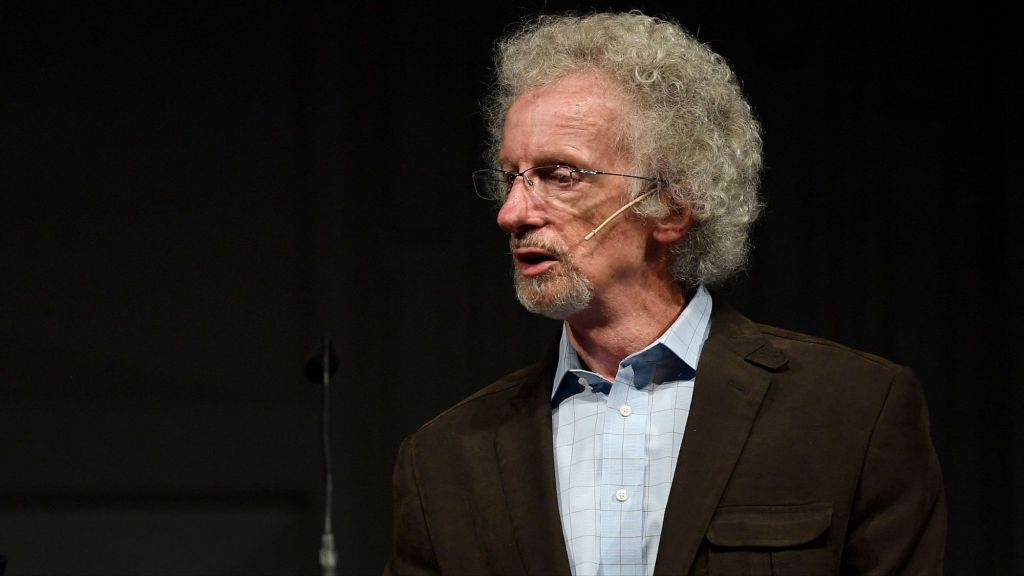
I want to respond to some objections raised against my initial piece on Yancey, though in truth it was never really about Yancey at all. It was about grace, what it is, how Scripture defines it, and why it matters. If the Body of Christ is ever to walk in true holiness and righteousness, so that a dying world can genuinely contrast us with itself, then grace must be taught and held in its proper biblical place. We have not been called to soothe the conscience of the saint, nor to dull the edge of God’s holiness, but to bear faithful witness to a God who is righteous, holy, and not to be treated lightly.
Philip Yancey presents a grace-first theology in which God’s mercy precedes human response, repentance is real but functions relationally rather than judicially, and the fear of God is redefined primarily as reverence and relational grief rather than warning or dread.
In this framework, repentance restores fellowship but does not place salvation genuinely at risk, and passages that warn of falling away are treated pastorally rather than with the full weight that tge words carry.. Yet Scripture speaks of those who were “once enlightened,” who “shared in the Holy Spirit,” and still “fell away,” and of judgment that is described as “a fearful thing to fall into the hands of the living God.” Jesus Himself warned that not everyone who says “Lord, Lord” will enter the kingdom, and that “the one who endures to the end will be saved.” The tension lies in whether these words are allowed to carry their full weight.
“Those once enlightened… who shared in the Holy Spirit… and then fell away.”
Hebrews and the warnings of Jesus present a gospel in which grace and holy fear coexist without contradiction.
Grace initiates salvation, yet believers are repeatedly urged to “hold fast,” to “take care lest there be an evil, unbelieving heart,” and to remember that “our God is a consuming fire.” This fear is not terror for the weak or the repentant, but sober awareness that holiness is real, covenant is serious, and perseverance matters. Scripture never pits love against Godly fear, but assumes they walk together in a proper union.
“Take care… lest there be an evil, unbelieving heart… for our God is a consuming fire.”
This tension is made unmistakable in the account of Ananias and Sapphira.
They were not outsiders but members of the church, and God judged deliberate hypocrisy in such a way that “great fear came upon the whole church.” The text offers no apology and no softening. The early believers learned, in a single moment, that the God who pours out grace also disciplines His people, and that His presence is not merely comforting but holy.
“Great fear came upon the whole church and upon all who heard these things.”
Throughout Scripture, promises are consistently attached to endurance and overcoming.
Life is promised to “the one who overcomes,” rest to those who “do not draw back,” and reigning with Christ to those who “remain faithful.” The other side of that promise is never hidden: hardening the heart, refusing to repent, or presuming upon grace carries consequence. These warnings are not written to frighten the faithful, but to awaken the complacent.
“To the one who overcomes… do not draw back… hold fast.”
This is why a softened, purely pastoral presentation of grace is ultimately dangerous.
Grace was never meant to remove fear altogether, but to place it rightly. When grace is framed mainly to comfort, it risks producing peace without perseverance and assurance without obedience. There has always been a market for teachers who tell people what they want to hear, but Scripture was not written to soothe the unwatchful — it was written to form a people who endure, overcome, and remain faithful to the end.
“They will not endure sound teaching… turning aside to what they want to hear.”
 A Call To The Remnant