A Call To The Remnant

Scottish Warriors for Christ- http://www.facebook.com/acalltotheremnant

Archive for August, 2026

๐—ช๐—›๐—”๐—ง ๐—œ๐—ฆ ๐—ง๐—›๐—˜ ๐—ข๐—Ÿ๐—— ๐— ๐—”๐—ก?

Posted by appolus on August 14, 2026

We often confuse the old man with the flesh, and they are the same thing. In teaching, this causes much confusion.

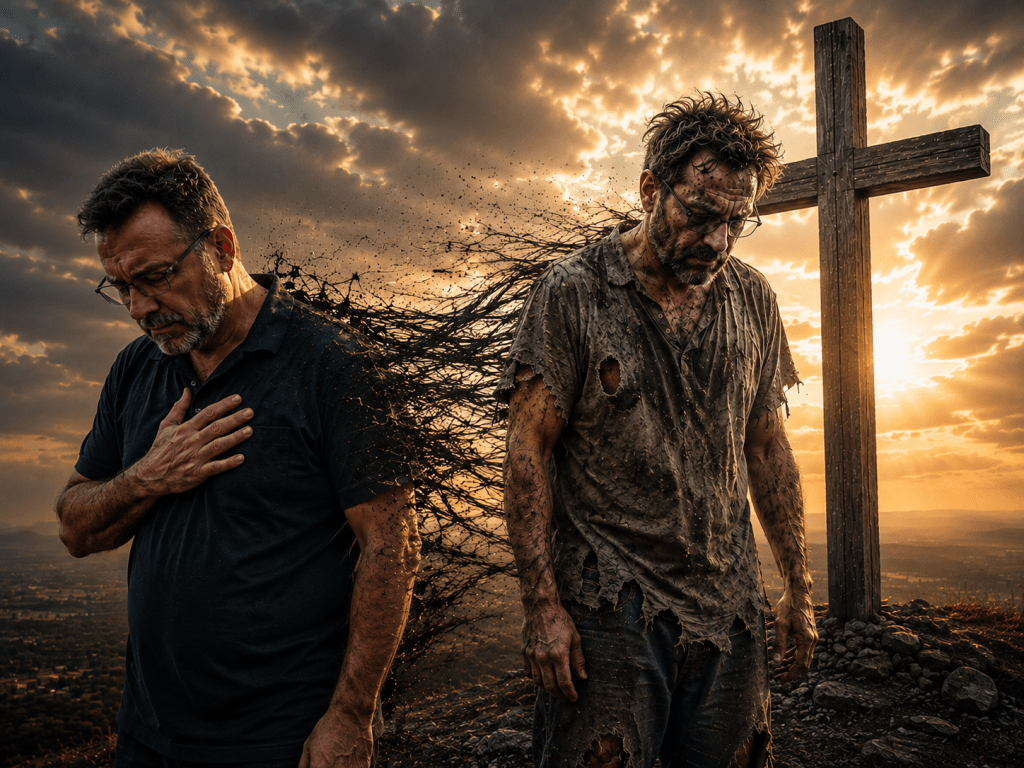
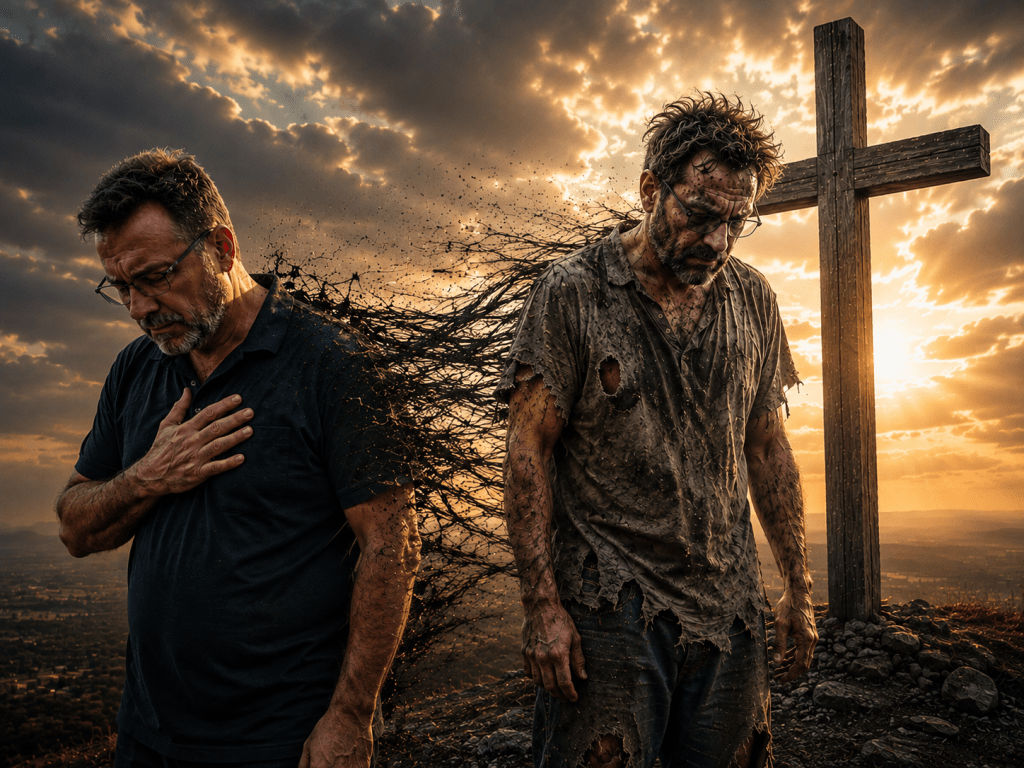
When I was born again at the age of 26, I went through a metamorphosis. I don’t mean theoretically or theologically. I mean in actuality. Before I surrendered to God, I knew exactly what that surrender would cost me. I knew that my life would no longer be mine. The man who was captain of his own soul would have to die. His captaincy, his authority over himself, his autonomy, his right to determine the direction of his own life, all of that had to be surrendered. That is precisely why I held back for so long. I had counted the cost. Then I surrendered, and that old man died. โ€œKnowing this, that our old man was crucified with Himโ€ฆโ€ Romans 6:6.

Old Frank was gone. Crucified. Never to return. But Frank was still very much alive. My flesh didn’t disappear. My soul didn’t disappear. My memories didn’t disappear. My weaknesses, habits, appetites, emotions and all the consequences of 26 years of living under my own authority didn’t magically disappear either. What changed was who was Lord. Old Frank had been captain of his own soul. New Frank belonged to Christ.

And now new Frank had to deal with all of old Frank’s problems, but under an entirely different government: contained and directed by the Word of God, under the authority of God and by the direction and power of the Holy Spirit. That is sanctification.

This is why I see absolutely no contradiction between Romans 6, Romans 7 and Romans 8. The old man was crucified in Romans 6. The flesh and its inability are exposed in Romans 7. And Romans 8 reveals how the regenerated man now overcomes: through the power of the Holy Spirit.

Paul does not tell Christians that because the old man is dead there is therefore nothing remaining to overcome. Quite the opposite: โ€œBut if by the Spirit you put to death the deeds of the body, you will live.โ€ Romans 8:13. And again: โ€œFor the flesh lusts against the Spirit, and the Spirit against the flesh; and these are contrary to one anotherโ€ฆโ€ Galatians 5:17. And therefore: โ€œWalk in the Spirit, and you shall not fulfill the lust of the flesh.โ€ Galatians 5:16.

Notice that Paul does not tell us the flesh no longer exists. He tells us not to fulfill its desires. He tells us how to overcome it. Paul himself says, โ€œBut I discipline my body and bring it into subjectionโ€ฆโ€ 1 Corinthians 9:27. Into subjection to what? To the new authority under which Paul now lived.

This is where I think the confusion arises. The old man does not need to be progressively sanctified. He is dead. I am not spending my Christian life trying to rehabilitate old Frank. He was crucified with Christ. It is the man who now belongs to Christ who must walk in sanctification, bringing his body into subjection, renewing his mind, overcoming the flesh, exercising self-control and walking according to the Spirit.

Jesus said, โ€œFor whoever desires to save his life will lose it, but whoever loses his life for My sake will find it.โ€ Matthew 16:25. That was very real to me at 26. I knew what I was being asked to surrender, and that knowledge was precisely why I resisted for so long. The old man was the autonomous man under his own lordship. That man died.

The flesh did not disappear with him. Now, however, the flesh had a new master to contend with: a regenerated man who no longer belonged to himself, whose authority was the Word of God, whose Lord was Jesus Christ and whose power to overcome came through the Holy Spirit. The old man is dead. The flesh must be brought into subjection. And that is why sanctification matters.

Posted in Uncategorized | 2 Comments »

The Remnant-A Pilgrim People

Posted by appolus on August 11, 2026

There is a profound difference between preservation and spiritual advance.

The established religious system inevitably acquires something to protect, buildings, denominations, reputations, theological systems, salaries, congregations, traditions, positions and influence. None of these things in and of themselves are necessarily evil. The danger comes when preserving what has been accumulated becomes the governing instinct.

Then the questions change. The pilgrim asks, โ€œWhere is God leading us?โ€ The custodian asks, โ€œHow do we preserve what God gave us?โ€ Those questions may sound similar, but over generations they can produce radically different kinds of Christianity.

Every genuine movement of God begins outside somebody’s established expectations. Abraham leaves Ur without knowing where he is going. Moses abandons Pharaoh’s world for the wilderness. Israel follows a cloud through a desert. The prophets stand outside the comfortable religious consensus. John the Baptist lives in the wilderness. Christ Himself continually operates beyond the boundaries established by the religious custodians of His day. The apostles leave Jerusalem and ultimately turn their world upside down.

๐—ง๐—ต๐—ฒ๐˜† ๐˜„๐—ฒ๐—ฟ๐—ฒ ๐—ฎ ๐—ฝ๐—ถ๐—น๐—ด๐—ฟ๐—ถ๐—บ ๐—ฝ๐—ฒ๐—ผ๐—ฝ๐—น๐—ฒ.

Hebrews gives us a remarkable description of this pilgrim mentality:

And truly if they had called to mind that country from which they had come out, they would have had opportunity to return. But now they desire a better, that is, a heavenly country. (Hebrews 11:15โ€“16)

They had somewhere they could return to. But they didn’t.

๐—ง๐—ต๐—ฎ๐˜ ๐—ถ๐˜€ ๐˜๐—ต๐—ฒ ๐—ฝ๐—ถ๐—น๐—ด๐—ฟ๐—ถ๐—บ ๐—บ๐—ฒ๐—ป๐˜๐—ฎ๐—น๐—ถ๐˜๐˜†.

The remnant always has somewhere it could return to. There are established places where they could settle down, become comfortable, be accepted and cease from the difficulties of the journey. But they desire a better country. So they keep walking.

There is a pattern that can be seen throughout religious history. The pilgrims have almost nothing to lose. They risk reputation, acceptance, possessions and sometimes their very lives to follow the Lord into places others will not go.

Then something happens. The pilgrims build something. Others inherit it. The movement acquires buildings, institutions, theological respectability, influence, positions and traditions. And now there is something to lose.

Slowly, almost imperceptibly, the descendants of the pilgrims begin defending the results of yesterday’s faith rather than exercising that same faith themselves.

The revival becomes a denomination. The movement becomes a monument. The testimony becomes a tradition. And eventually walls appear where pilgrims once crossed rivers.

The institutional mentality eventually says, โ€œWe have arrived. Protect what we have.โ€The pilgrim says, โ€œI have not attained. I press on.โ€Paul writes..

Not that I have already attained, or am already perfected; but I press onโ€ฆ(Philippians 3:12 )

And then:

Forgetting those things which are behind and reaching forward to those things which are ahead, I press toward the goalโ€ฆ(Philippians 3:13โ€“14)

I press onโ€ฆ.๐—ง๐—ต๐—ฎ๐˜ ๐—ถ๐˜€ ๐˜๐—ต๐—ฒ ๐—น๐—ฎ๐—ป๐—ด๐˜‚๐—ฎ๐—ด๐—ฒ ๐—ผ๐—ณ ๐˜๐—ต๐—ฒ ๐—ฝ๐—ถ๐—น๐—ด๐—ฟ๐—ถ๐—บ.

There is always something further. Another depth. Another height. Another surrender. Another place where self must die. Another place where Christ must increase. Another mile along the narrow road.Jesus saidโ€ฆโ€ฆ

Because narrow is the gate and difficult is the way which leads to life, and there are few who find it.
(Matthew 7:14)

The narrow road is not merely a gate through which we once passed. It is a way. It is a road. And roads are meant to be traveled. Every step along that narrow road takes the pilgrim farther away from where he began.And closer to his final destination.

This is why the remnant cannot be defined merely as people who exist outside institutional Christianity. A man can leave an institution today and build another wall around himself tomorrow. Nor is the remnant defined by being unconventional. Being unusual is not spirituality. Rebellion is not pilgrimage.

The remnant is defined by following Christ regardless of where He leads, what it costs, or what must be left behind.Jesus said:โ€ฆโ€ฆ

If anyone desires to come after Me, let him deny himself, and take up his cross daily, and follow Me. (Luke 9:23)

๐—™๐—ผ๐—น๐—น๐—ผ๐˜„ ๐— ๐—ฒ

Those words demand movement. You cannot follow someone while insisting upon remaining where you are. The genuine remnant is unconventional only because down through the ages it has been religious institutions that defined convention. Only the Word of God can define what convention is.

There is something of the entrepreneur in the pilgrim. Not the entrepreneur of money or business, but an entrepreneur of the spirit. They are willing to risk everything they possess for that which lies ahead.

Yet unlike Alexander or Caesar, who were entrepreneurs of warโ€ฆ.they are not driven by ambition, conquest, glory or the desire to build earthly kingdoms. Something infinitely greater drives them.

๐—ง๐—ต๐—ฒ ๐—ฆ๐—ฝ๐—ถ๐—ฟ๐—ถ๐˜ ๐—ผ๐—ณ ๐—š๐—ผ๐—ฑ ๐—ฑ๐˜„๐—ฒ๐—น๐—น๐˜€ ๐˜„๐—ถ๐˜๐—ต๐—ถ๐—ป ๐˜๐—ต๐—ฒ๐—บ.

โ€œFor as many as are led by the Spirit of God, these are sons of God.โ€ โ€ฆRomans 8:14, NKJV

They move because the Spirit leads them. They walk because Christ calls them. They press on because something within them will not permit them to settle permanently in yesterday.

This is where the picture of Rome becomes so striking. There was a time when Rome crossed rivers and pushed beyond frontiers. Eventually Rome began building walls around what it already possessed.

The wall itself was not the problem. The change of mentality was.

The question had changed from, โ€œWhat lies beyond the frontier?โ€ to, โ€œHow do we protect everything behind it?โ€ And the same thing can happen spiritually.

There comes a point when a religious movement can become so concerned with preserving what God did yesterday that it ceases pursuing God today.

The institution builds walls around what the pilgrims discovered. It preserves the language. It preserves the buildings. It preserves the theology. It preserves the history. It preserves the stories of revival. It can even preserve the testimonies of the men and women who once crossed the rivers.

Yet preserving the memory of pilgrims is not the same thing as possessing the spirit of pilgrims.The great danger is that preservation sounds remarkably like faithfulness.

๐—ฆ๐—ผ๐—บ๐—ฒ๐˜๐—ถ๐—บ๐—ฒ๐˜€ ๐—ถ๐˜ ๐—ถ๐˜€.

We are commanded to guard truth. We are commanded to hold fast. We are commanded to contend for the faith. But there is a world of difference between guarding eternal truth and guarding our comfortable position and traditions of men.

And in vain they worship Me, Teaching as doctrines the commandments of men. For laying aside the commandment of God, you hold the tradition of men, the washing of pitchers and cups, and many other such things you do.โ€ He said to them, โ€œAll too well you reject the commandment of God, that you may keep your tradition. (Mark 7:7โ€“9 )

The Spirit of God is not calling His people to abandon truth. He is calling them to walk in it.

๐—”๐—ป๐—ฑ ๐˜„๐—ฎ๐—น๐—ธ๐—ถ๐—ป๐—ด ๐—ฟ๐—ฒ๐—พ๐˜‚๐—ถ๐—ฟ๐—ฒ๐˜€ ๐—บ๐—ผ๐˜ƒ๐—ฒ๐—บ๐—ฒ๐—ป๐˜.

The pilgrim does not despise what God did yesterday. He gives thanks for it. He learns from it. He remembers those who walked before him. But he refuses to build his house at yesterday’s campsite.

The cloud has moved. And the pilgrim moves with it. There will always be those who build walls around what God did yesterday. And there will always be pilgrims who hear the voice of God calling them onward.

They may possess less. They may have fewer resources. They may have little institutional influence. They may be misunderstood. They may be rejected. They may travel a difficult and lonely road.

๐—•๐˜‚๐˜ ๐˜๐—ต๐—ฒ๐˜† ๐—ฎ๐—ฟ๐—ฒ ๐—บ๐—ผ๐˜ƒ๐—ถ๐—ป๐—ด.

They have not attained. They press on. They refuse to mistake yesterday’s stopping place for today’s destination. They are willing to leave security, reputation, acceptance and established religious boundaries behind when obedience to Christ requires itโ€ฆ..They are pilgrimsโ€ฆ..They are the remnant.

The institutional church builds walls around what God did yesterday. The remnant follows the Spirit into what God is doing today. Some inherit kingdoms and spend their lives protecting them.

๐—ฃ๐—ถ๐—น๐—ด๐—ฟ๐—ถ๐—บ๐˜€ ๐—ถ๐—ป๐—ต๐—ฒ๐—ฟ๐—ถ๐˜ ๐—ฎ ๐—ป๐—ฎ๐—ฟ๐—ฟ๐—ผ๐˜„ ๐—ฟ๐—ผ๐—ฎ๐—ฑโ€ฆโ€ฆ.๐—ฎ๐—ป๐—ฑ ๐˜๐—ต๐—ฒ๐˜† ๐—ธ๐—ฒ๐—ฒ๐—ฝ ๐˜„๐—ฎ๐—น๐—ธ๐—ถ๐—ป๐—ด.

Posted in Uncategorized | 2 Comments »

๐——๐—ข๐— ๐—œ๐—ก๐—œ๐—ข๐—ก ๐—ข๐—ฉ๐—˜๐—ฅ ๐—ฆ๐—˜๐—Ÿ๐—™

Posted by appolus on August 10, 2026

Part five in our study of the separation of the soul and spirit according to Heb 4:12

The Holy Spirit does not merely command self-control; He imparts it. แผฮณฮบฯฮฌฯ„ฮตฮนฮฑ (enkrateia โ€” self-control, mastery, dominion over your “self”) is the fruit of the Spirit. It is God’s gift, not the product of human determination. Yet every gift must be possessed.

Israel was given the Promised Land long before they possessed it. God declared, “I have given you the land,” yet they still had to cross the Jordan, fight the battles, and take possession of what had already been granted. So it is with self-control. The Spirit has supplied all that is necessary, but we are called to walk in the Spirit, to exercise what He has imparted, and to possess what He has given.

The Spirit of God bears witness with our spirit. The inward man delights in the law of God. From that place of union with Christ, the Holy Spirit empowers the believer to bring the whole man under God’s government. The body is no longer permitted to reign. The mind is no longer carried about by fear and unstable passions. The spirit remains awake, watchful, and yielded to God.

This is not self-striving. It is Spirit-enabled dominion. It is Christ reigning within His people, enabling them to possess what He has already provided. That is why Paul can say, “Walk in the Spirit, and ye shall not fulfil the lust of the flesh.” Victory is not achieved independently of Christ. It is experienced through abiding in Him.

Galatians 5:22โ€“23 (NKJV)

But the fruit of the Spirit is love, joy, peace, longsuffering, kindness, goodness, faithfulness, gentleness, self-control. Against such there is no law.

Posted in Uncategorized | 1 Comment »

๐—™๐—ฅ๐—ข๐—  ๐—š๐—ข๐——-๐—–๐—ข๐—ก๐—ฆ๐—–๐—œ๐—ข๐—จ๐—ฆ ๐—ง๐—ข ๐—ฆ๐—˜๐—Ÿ๐—™-๐—–๐—ข๐—ก๐—ฆ๐—–๐—œ๐—ข๐—จ๐—ฆ

Posted by appolus on August 5, 2026

In the beginning, there was perfect harmony. Body, soul, and spirit existed in their proper order. The spirit, alive to God, ruled over the whole man. The soul, with its mind, will, and emotions, echoed the voice of God, amplifying His truth throughout the inner life. The body followed in willing obedience. There was no conflict, no shame, no self-consciousness. ๐— ๐—ฎ๐—ป ๐˜„๐—ฎ๐˜€ ๐—š๐—ผ๐—ฑ-๐—ฐ๐—ผ๐—ป๐˜€๐—ฐ๐—ถ๐—ผ๐˜‚๐˜€.

Then sin entered.

The spirit fell from its place of rule, and a new voice arose. Instead of reflecting God, the soul began to amplify the desires of the flesh. The harmony was broken. An unholy alliance was formed between soul and body, while the spirit lay in death and separation from God.

The first evidence of this fall was self-awareness.

“๐—ช๐—ต๐—ผ ๐˜๐—ผ๐—น๐—ฑ ๐˜†๐—ผ๐˜‚ ๐˜๐—ต๐—ฎ๐˜ ๐˜†๐—ผ๐˜‚ ๐˜„๐—ฒ๐—ฟ๐—ฒ ๐—ป๐—ฎ๐—ธ๐—ฒ๐—ฑ?” God asked Adam and Eve.

For the first time, they looked upon themselves rather than upon God. Their nakedness, once clothed in innocence, became shame. Self-consciousness had replaced God-consciousness. The soul, created to reflect heaven, now echoed the fallen nature.

Yet God, in mercy, shed blood. An innocent life was sacrificed, and He clothed their nakedness with skins. The shame was covered, but only through blood. From that moment onward, every sacrifice pointed toward a greater sacrifice still to come.

๐—”๐˜ ๐—–๐—ฎ๐—น๐˜ƒ๐—ฎ๐—ฟ๐˜†, ๐—๐—ฒ๐˜€๐˜‚๐˜€ ๐—ต๐˜‚๐—ป๐—ด ๐—ป๐—ฎ๐—ธ๐—ฒ๐—ฑ ๐˜‚๐—ฝ๐—ผ๐—ป ๐˜๐—ต๐—ฒ ๐—ฐ๐—ฟ๐—ผ๐˜€๐˜€. The One without shame willingly bore ours. The sin that had been covered through the blood of countless sacrifices was finally uncovered and judged in Him. He did not merely cover sin; He dealt with it once and for all.

In Christ, the spirit is made alive unto God once more. ๐—•๐˜‚๐˜ ๐˜๐—ต๐—ฒ ๐˜€๐—ผ๐˜‚๐—น ๐—ฟ๐—ฒ๐—บ๐—ฎ๐—ถ๐—ป๐˜€ ๐˜๐—ต๐—ฒ ๐—ฏ๐—ฎ๐˜๐˜๐—น๐—ฒ๐—ณ๐—ถ๐—ฒ๐—น๐—ฑ, ๐—ฝ๐˜‚๐—น๐—น๐—ฒ๐—ฑ ๐—ฏ๐—ฒ๐˜๐˜„๐—ฒ๐—ฒ๐—ป ๐˜๐—ต๐—ฒ ๐—ฑ๐—ฒ๐˜€๐—ถ๐—ฟ๐—ฒ๐˜€ ๐—ผ๐—ณ ๐˜๐—ต๐—ฒ ๐—ณ๐—น๐—ฒ๐˜€๐—ต ๐—ฎ๐—ป๐—ฑ ๐˜๐—ต๐—ฒ ๐—น๐—ถ๐—ณ๐—ฒ ๐—ผ๐—ณ ๐˜๐—ต๐—ฒ ๐˜€๐—ฝ๐—ถ๐—ฟ๐—ถ๐˜. Long held in the gravitational pull of the flesh, it must now be drawn ever more deeply into the gravitational pull of the spirit. This is the work of sanctification. As every thought is brought captive to Christ, the soul increasingly echoes the life of the spirit instead of amplifying the desires of the flesh. The body is no longer master but servant. Redemption is the restoration of God’s original order, until body, soul, and spirit stand together in perfect harmony under the lordship of Christ.

This is part four on the subject of the separation of the soul and the spirit. There will be a list of Scriptures in the comments.

๐—™๐—ฅ๐—ข๐—  ๐—š๐—ข๐——-๐—–๐—ข๐—ก๐—ฆ๐—–๐—œ๐—ข๐—จ๐—ฆ ๐—ง๐—ข ๐—ฆ๐—˜๐—Ÿ๐—™-๐—–๐—ข๐—ก๐—ฆ๐—–๐—œ๐—ข๐—จ๐—ฆ

In the beginning, there was perfect harmony. Body, soul, and spirit existed in their proper order. The spirit, alive to God, ruled over the whole man. The soul, with its mind, will, and emotions, echoed the voice of God, amplifying His truth throughout the inner life. The body followed in willing obedience. There was no conflict, no shame, no self-consciousness. ๐— ๐—ฎ๐—ป ๐˜„๐—ฎ๐˜€ ๐—š๐—ผ๐—ฑ-๐—ฐ๐—ผ๐—ป๐˜€๐—ฐ๐—ถ๐—ผ๐˜‚๐˜€.

Then sin entered.

The spirit fell from its place of rule, and a new voice arose. Instead of reflecting God, the soul began to amplify the desires of the flesh. The harmony was broken. An unholy alliance was formed between soul and body, while the spirit lay in death and separation from God.

The first evidence of this fall was self-awareness.

“๐—ช๐—ต๐—ผ ๐˜๐—ผ๐—น๐—ฑ ๐˜†๐—ผ๐˜‚ ๐˜๐—ต๐—ฎ๐˜ ๐˜†๐—ผ๐˜‚ ๐˜„๐—ฒ๐—ฟ๐—ฒ ๐—ป๐—ฎ๐—ธ๐—ฒ๐—ฑ?” God asked Adam and Eve.

For the first time, they looked upon themselves rather than upon God. Their nakedness, once clothed in innocence, became shame. Self-consciousness had replaced God-consciousness. The soul, created to reflect heaven, now echoed the fallen nature.

Yet God, in mercy, shed blood. An innocent life was sacrificed, and He clothed their nakedness with skins. The shame was covered, but only through blood. From that moment onward, every sacrifice pointed toward a greater sacrifice still to come.

๐—”๐˜ ๐—–๐—ฎ๐—น๐˜ƒ๐—ฎ๐—ฟ๐˜†, ๐—๐—ฒ๐˜€๐˜‚๐˜€ ๐—ต๐˜‚๐—ป๐—ด ๐—ป๐—ฎ๐—ธ๐—ฒ๐—ฑ ๐˜‚๐—ฝ๐—ผ๐—ป ๐˜๐—ต๐—ฒ ๐—ฐ๐—ฟ๐—ผ๐˜€๐˜€. The One without shame willingly bore ours. The sin that had been covered through the blood of countless sacrifices was finally uncovered and judged in Him. He did not merely cover sin; He dealt with it once and for all.

In Christ, the spirit is made alive unto God once more. ๐—•๐˜‚๐˜ ๐˜๐—ต๐—ฒ ๐˜€๐—ผ๐˜‚๐—น ๐—ฟ๐—ฒ๐—บ๐—ฎ๐—ถ๐—ป๐˜€ ๐˜๐—ต๐—ฒ ๐—ฏ๐—ฎ๐˜๐˜๐—น๐—ฒ๐—ณ๐—ถ๐—ฒ๐—น๐—ฑ, ๐—ฝ๐˜‚๐—น๐—น๐—ฒ๐—ฑ ๐—ฏ๐—ฒ๐˜๐˜„๐—ฒ๐—ฒ๐—ป ๐˜๐—ต๐—ฒ ๐—ฑ๐—ฒ๐˜€๐—ถ๐—ฟ๐—ฒ๐˜€ ๐—ผ๐—ณ ๐˜๐—ต๐—ฒ ๐—ณ๐—น๐—ฒ๐˜€๐—ต ๐—ฎ๐—ป๐—ฑ ๐˜๐—ต๐—ฒ ๐—น๐—ถ๐—ณ๐—ฒ ๐—ผ๐—ณ ๐˜๐—ต๐—ฒ ๐˜€๐—ฝ๐—ถ๐—ฟ๐—ถ๐˜. Long held in the gravitational pull of the flesh, it must now be drawn ever more deeply into the gravitational pull of the spirit. This is the work of sanctification. As every thought is brought captive to Christ, the soul increasingly echoes the life of the spirit instead of amplifying the desires of the flesh. The body is no longer master but servant. Redemption is the restoration of God’s original order, until body, soul, and spirit stand together in perfect harmony under the lordship of Christ.

Posted in Uncategorized | Leave a Comment »